One of the most widely studied applications of AI in oncology is in medical imaging. AI, particularly deep learning algorithms, has been trained to recognize minute patterns in mammograms, CT scans, MRIs, and dermoscopic images that may indicate early cancerous changes.
Read More...Series

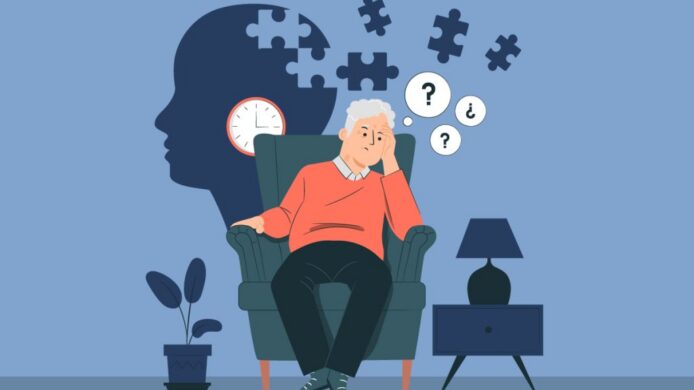
Science Series #20: The role of the microbiome in Alzheimer´s disease
Alzheimer’s disease (AD) is a progressive neurodegenerative disorder that is characterized by loss of memory, cognitive and behavioral skills, and many neuropsychiatric comorbidities, such as depression and sleep disorders.
Read More...Science Series #19: Switchable CAR-T cells therapy
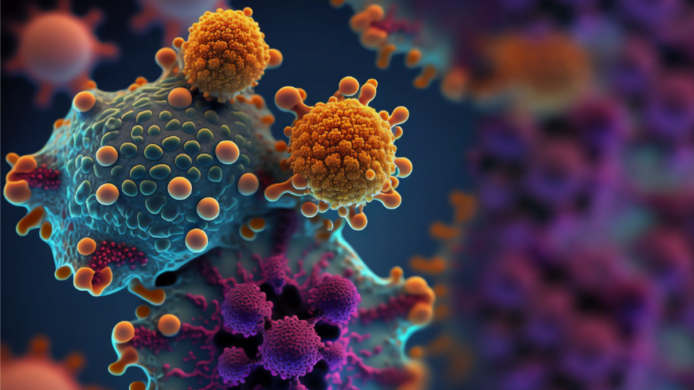
CAR-T cell therapy involves taking a patient’s immune cells (T cells), and engineering them in a laboratory to produce a special structure called a Chimeric Antigen Receptor (CAR). This structure enables the T cells to recognize and attack cancer cells.
Read More...Social Science Serie #12: The role of nutrition in cancer prevention
While some risk factors are beyond our control, such as genetic makeup and age, adopting a healthy lifestyle and making informed dietary choices can significantly contribute to preventing the onset of cancer.
Read More...Science Series #18: Understanding cancer stem cells
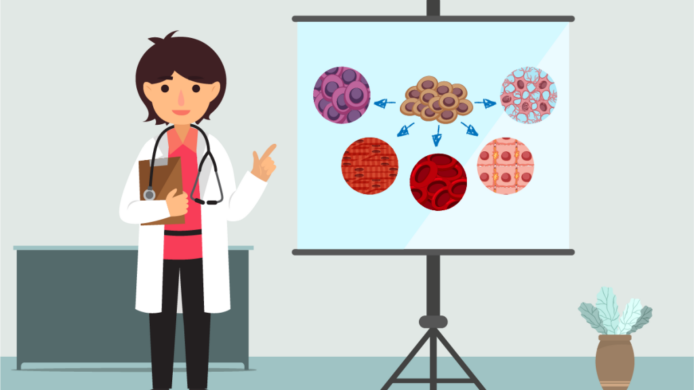
Stem cells are the body’s master cells. They can differentiate into specialized cell types with specific functions, such as blood cells, brain cells, heart muscle cells, or bone cells, depending on their environment and the signals they receive.
Read More...Social Science Series #11: The impact of poverty on cancer prevention and access to care
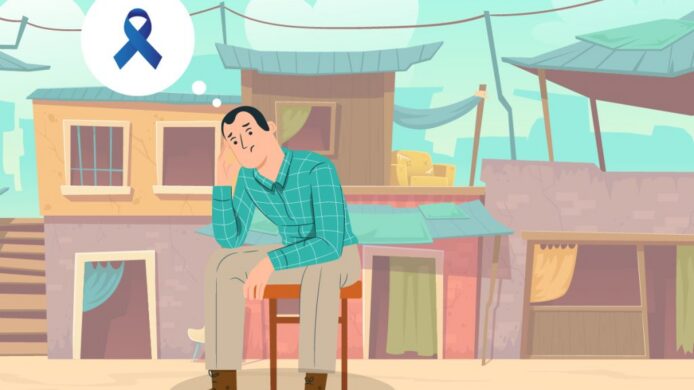
Living in a low-resource context can have a significant negative impact on health outcomes, according to recent research. Individuals living in areas with lower income, education, employment, and housing quality have been found to have lower survival rates when diagnosed with cancer.
Read More...Social Science Series #10: Cancer and social life
Social life is beneficial for cancer patients in various aspects, such as in providing emotional support. Interactions with friends, families, co-workers, and other patients can alleviate stress and anxiety related to cancer and its treatment.
Read More...Science Series #17: Benefits and risks of different cancer treatments
When choosing a cancer treatment option, it is important to consider a range of factors, including the patient’s overall health and medical history, the stage and type of cancer, and the potential benefits and risks of each treatment.
Read More...Social Science Series #9: Emotional support for parents of children with cancer
Diagnosis and treatment of cancer can be a stressful situation, not only for the children undergoing treatment but also for their parents and caregivers. Emotional support for parents of children with cancer is crucial, as it provides them with the necessary support to cope with the various emotional consequences of the disease.
Read More...Social Science Series #8: The importance of volunteers in non-governmental organizations
Volunteerism focuses on providing an organized response to social needs, based on dedication, collaboration, and a commitment to the common good. It is the foundation of developing critical citizenship with increased expression of a social conscience.
Read More...