One of the most widely studied applications of AI in oncology is in medical imaging. AI, particularly deep learning algorithms, has been trained to recognize minute patterns in mammograms, CT scans, MRIs, and dermoscopic images that may indicate early cancerous changes.
Read More...Science Series

Science Series #20: The role of the microbiome in Alzheimer´s disease
Alzheimer’s disease (AD) is a progressive neurodegenerative disorder that is characterized by loss of memory, cognitive and behavioral skills, and many neuropsychiatric comorbidities, such as depression and sleep disorders.
Read More...Science Series #19: Switchable CAR-T cells therapy
CAR-T cell therapy involves taking a patient’s immune cells (T cells), and engineering them in a laboratory to produce a special structure called a Chimeric Antigen Receptor (CAR). This structure enables the T cells to recognize and attack cancer cells.
Read More...Science Series #18: Understanding cancer stem cells
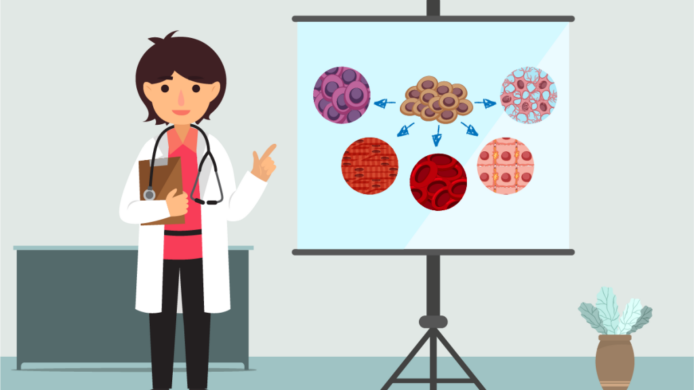
Stem cells are the body’s master cells. They can differentiate into specialized cell types with specific functions, such as blood cells, brain cells, heart muscle cells, or bone cells, depending on their environment and the signals they receive.
Read More...Social Science Series #10: Cancer and social life
Social life is beneficial for cancer patients in various aspects, such as in providing emotional support. Interactions with friends, families, co-workers, and other patients can alleviate stress and anxiety related to cancer and its treatment.
Read More...Science Series #17: Benefits and risks of different cancer treatments
When choosing a cancer treatment option, it is important to consider a range of factors, including the patient’s overall health and medical history, the stage and type of cancer, and the potential benefits and risks of each treatment.
Read More...Science Series #16: Factors that contribute to the development of breast cancer
The main cause of cancer-related deaths in women globally is breast cancer (BC). It ranks as the second-leading cause of cancer-related death in women in industrialized countries and the primary cause in poor countries.
Read More...Science Series #15: Preventive Vaccines
A vaccine is essentially a treatment that generates an immune response and helps combat various diseases by providing protection to patient specific cells by activating T cells and B cells to help fight off the disease and provide protection to the body.
Read More...Science Series #14: Leishmaniasis
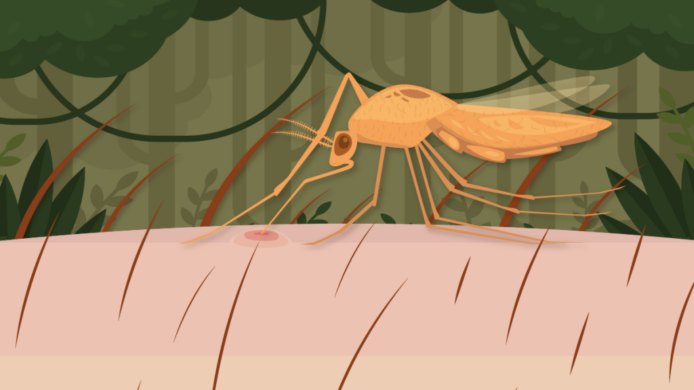
Leishmaniasis is a neglected tropical disease (NTD) that is spread through sand flies in tropical and subtropical areas around the world.
Read More...Science Series #13: Incidence and mortality rates of breast cancer
Breast cancer, like all other cancers, is an uncontrolled growth of abnormal breast cells that are either malignant or benign. Benign tumors are not cancerous and therefore not life-threatening.
Read More...