
While some risk factors are beyond our control, such as genetic makeup and age, adopting a healthy lifestyle and making informed dietary choices can significantly contribute to preventing the onset of cancer.
Read More...
While some risk factors are beyond our control, such as genetic makeup and age, adopting a healthy lifestyle and making informed dietary choices can significantly contribute to preventing the onset of cancer.
Read More...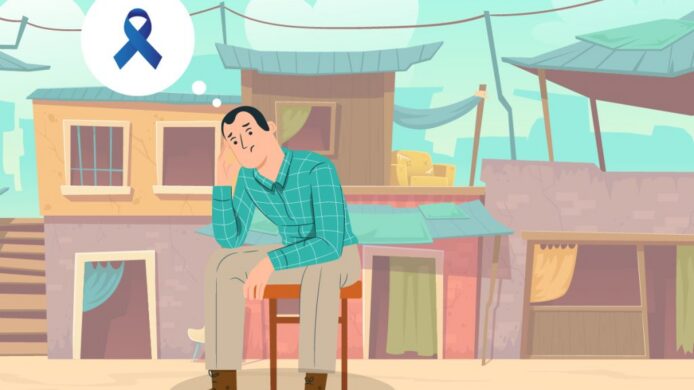
Living in a low-resource context can have a significant negative impact on health outcomes, according to recent research. Individuals living in areas with lower income, education, employment, and housing quality have been found to have lower survival rates when diagnosed with cancer.
Read More...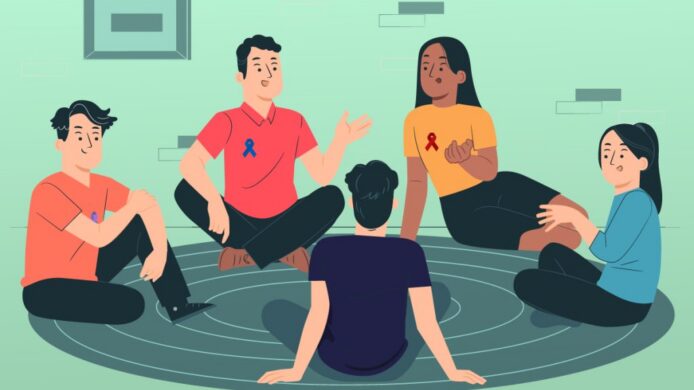
Social life is beneficial for cancer patients in various aspects, such as in providing emotional support. Interactions with friends, families, co-workers, and other patients can alleviate stress and anxiety related to cancer and its treatment.
Read More...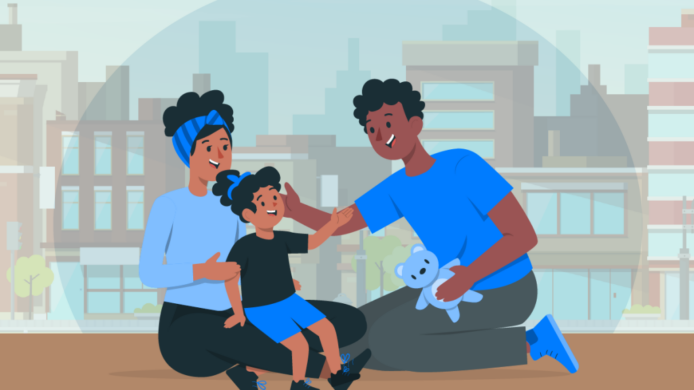
Diagnosis and treatment of cancer can be a stressful situation, not only for the children undergoing treatment but also for their parents and caregivers. Emotional support for parents of children with cancer is crucial, as it provides them with the necessary support to cope with the various emotional consequences of the disease.
Read More...
Volunteerism focuses on providing an organized response to social needs, based on dedication, collaboration, and a commitment to the common good. It is the foundation of developing critical citizenship with increased expression of a social conscience.
Read More...
Fundraising is defined as the process of seeking and gathering voluntary financial contributions from businesses, engaged individuals, charitable foundations, or governmental agencies. Most non-governmental organizations (NGOs), such as Jacinto Convit World Organization (JCWO), are reliant on the generosity of donors for some or all of their funding.
Read More...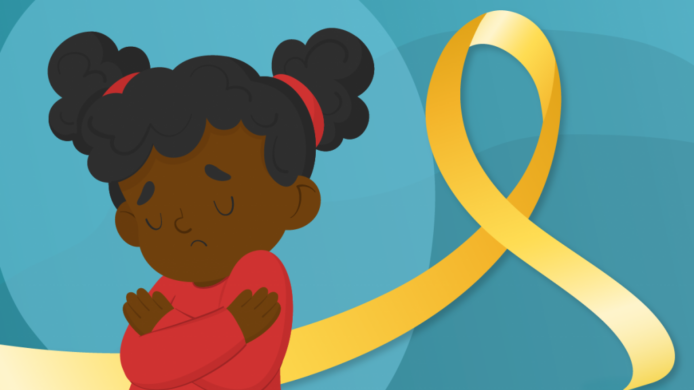
Leukemia is the most common cancer in children and teens, accounting for almost 1 out of 3 cancers. Most childhood leukemias are acute lymphocytic leukemia (ALL), while the remaining cases account for acute myeloid leukemia (AML). Chronic leukemias are rare.
Read More...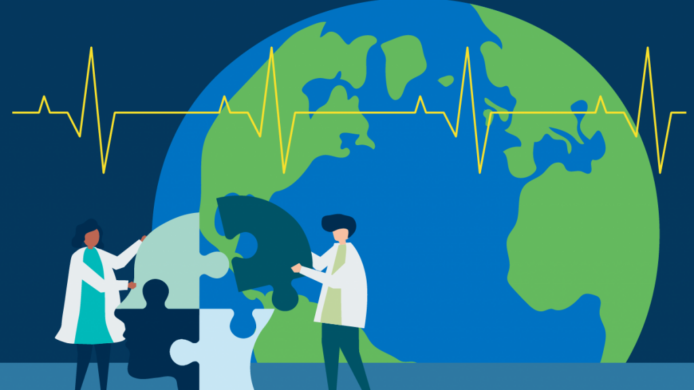
Mental health problems are found in almost every country. However, reports suggest that perception and availability of treatments are varied in different regions, particularly between developed and developing countries. Know more here!
Read More...
Social Science Series #4: Stigmatization of Infectious Diseases What are infectious diseases? Infectious diseases are caused by microorganisms in our[…]
Read More...
Post-traumatic stress disorder (PTSD) is an anxiety problem that develops in some people after extremely traumatic events, such as combat, crime, an accident or natural disaster. Know more here!
Read More...