NGOs are “legal or social entities created for the purpose of producing goods and services whose status does not permit them to be a source of income, profit or other financial gain for the units that establish, control or finance them” (System of National Accounts in 1993).
Read More...Series

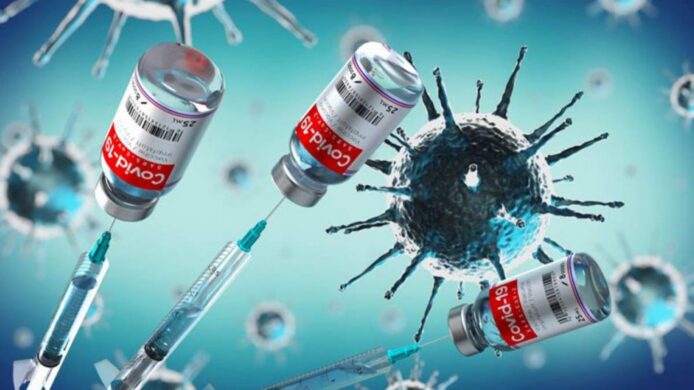
Science Series #12: COVID-19 Vaccines
COVID-19 vaccines allow the immune system to develop antibodies against the virus prior to coming in contact with the illness. Vaccination exposes the body to infectious foreign antigens, which are the spike proteins of the SARS-CoV-2 that lead to the onset of antibody production and immune system activation.
Read More...Science Series #11: COVID-19 and Cancer
The COVID-19 pandemic has affected the entire world in a drastic way, leading to over 3 million deaths and 132 million confirmed cases of infection. Unfortunately, some individuals, such as cancer patients, are more susceptible to catching the virus than others and are at a higher risk of severe infection…
Read More...Science Series #10: Clinical Trials
Clinical trials are types of interventional research studies, conducted in order to test new emerging or already approved treatments to evaluate their effects on health outcomes…
Read More...Science Series #9: Cancer Vaccines
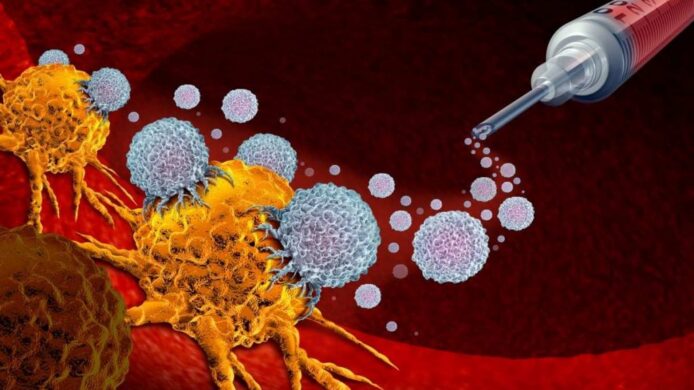
Cancer vaccines are a form of immunotherapy that can help educate the immune system about what cancer cells “look like” so that it can recognize and eliminate them…
Read More...Science Series #8: Leprosy
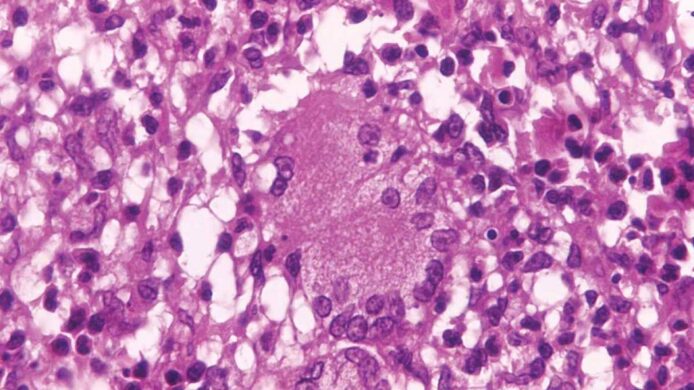
Leprosy, also known as Hansen’s disease, is a chronic infection caused by bacteria called Mycobacterium leprae. This bacteria multiplies very slowly and the incubation period can take a number of years…
Read More...Science Series #7: Breast Cancer
Breast cancer is a group of diseases in which cells in breast tissue change and divide uncontrollably, typically resulting in a lump or mass. Breast cancer can begin in different areas of the breast, such as the ducts, lobules, and the tissue in between.
Read More...Science Series #6: Leishmaniasis
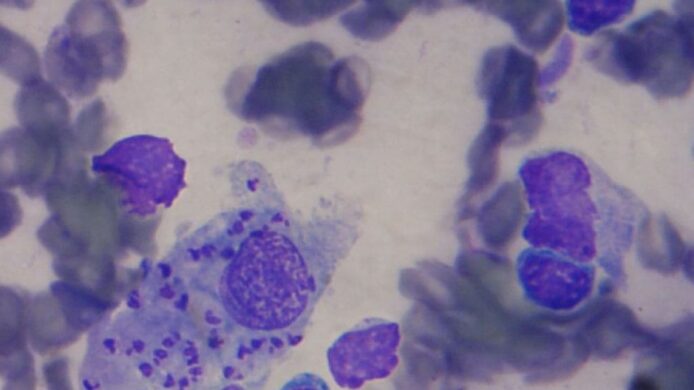
Leishmaniasis is a parasitic disease that is found in parts of the tropics, subtropics, and southern Europe. It is caused by infection with Leishmania parasites, which are spread by the bite of infected sand flies…
Read More...Science Series #5: Solid Tumors
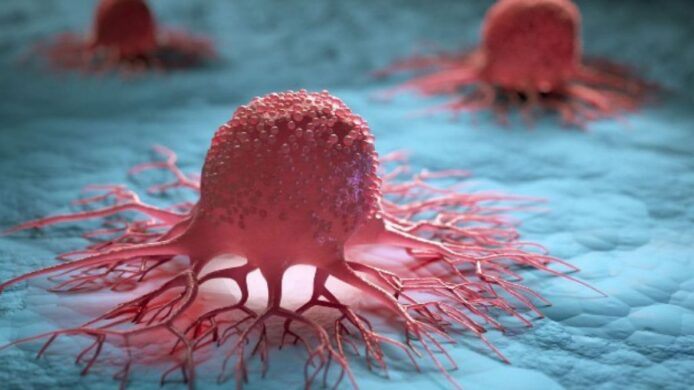
Solid tumors are an abnormal mass of tissue that usually does not contain cysts or liquid areas. These may be benign (not cancerous) or malignant (cancerous). Different types of solid tumors are named for the type of cells that form them. Examples of solid tumors are sarcomas, carcinomas, and lymphomas.
Read More...Science Series #4: HIV
The human immunodeficiency virus (HIV) can lead to acquired immunodeficiency syndrome or AIDS if not treated. Unlike some other viruses, the human body can’t get rid of HIV completely, even with treatment. So once you get HIV, you have it for life…
Read More...